


dry-type transformer design
Dry transformers are, at first glance, simple. But when it comes to design and manufacturing, there are nuances that are not always obvious. Often manufacturers, especially small ones, optimize the design based on the cheapness of materials, rather than on reliability and durability. And this, as a rule, leads to problems in the future. This article is an attempt to share the experience gained over the years of working withdry transformers, identify common mistakes and offer solutions. There is no single 'correct' scheme here, but rather a set of recommendations based on practice and observation. I will try to be as specific as possible, even if this requires deviations from a strict presentation.
Review: What to look for when designingdry transformer
The main task in designdry transformer– ensuring reliable cooling of the windings. This is critical because the lack of natural cooling (as in oil-immersed transformers) means that heat from the windings must be effectively dissipated to the environment. The service life of the transformer and its ability to withstand overloads directly depend on this. An improperly designed cooling system is a guaranteed path to premature failure of the transformer. And, importantly, the correct choice of configuration and cooling parameters directly affects the dimensions and weight of the structure, which is important to consider during installation.
There are several basic approaches to cooling: air cooling, fan cooling, and combination systems. The choice of a specific method depends on the power of the transformer, noise level requirements and the permissible humidity level in the room. It’s worth making a reservation right away: often saving on a cooling system becomes the most expensive pleasure in the long run.
Air cooling: pros and cons
Air cooling is perhaps the simplest and most economical option. Special profiles made of aluminum or copper are used as a radiator, to which windings are soldered. The problem is that the efficiency of air cooling is directly dependent on the air flow rate. For proper operation, there must be sufficient air circulation around the radiator, which can be difficult to achieve in enclosed spaces. Often you have to resort to using fans, which already complicates the design.
When designing air cooling, it is necessary to take into account the thermal resistance of materials, heat sink geometry and air flow speed. Thermal resistance should be kept to a minimum and the flow rate should be sufficient to effectively remove heat. The problem can be the formation of thermal bridges - areas of the radiator with higher thermal resistance, which lead to local overheating. Careful calculations and the use of special materials can minimize this problem.
We once encountered an overheating problem indry transformer, designed using air cooling. We had to redesign the ventilation system by adding several guide fans and changing the radiator configuration. This required additional costs, but ultimately significantly increased the reliability of the transformer.
Fan Cooling: Solving Low Air Cooling Efficiency
The use of fans can significantly increase the efficiency of air cooling. Fans create a flow of air that blows through the radiator, removing heat. It is important to choose the right fan power and rotation speed to ensure sufficient air flow without creating excessive noise. There are different types of fans, including axial, radial and centrifugal. The choice of a specific type depends on the transformer design and noise level requirements.
When choosing a fan, it is necessary to take into account its efficiency, noise level and service life. You should not skimp on the fan, since the service life of the transformer directly depends on its reliability. Quiet fans with variable speed control are often used to optimize noise levels and cooling efficiency. It is also important to protect fans from dust and moisture.
In our practice, there were cases when choosing the wrong fan led to its rapid failure, which required replacement and downtime of the transformer. Therefore, before choosing a fan, you need to carefully study its characteristics and reviews.
Winding design and fastening
The windings are the heartdry transformer. The reliability and durability of the transformer depends on the quality of the windings and their fastening. In most cases, copper wires insulated with special insulation are used. Windings can be made in various ways: on a frame, on a metal-plastic base or on a special paper base. The choice of winding manufacturing method depends on the requirements for accuracy, reliability and cost.
The fastening of the windings to the radiator must be reliable and ensure uniform distribution of the thermal load. Most often, special clamps or clamps are used that secure the windings to the radiator. It is important to ensure that the clamps are not overtightened, as this can lead to deformation of the windings and poor heat dissipation. Sometimes heat shrink tubing is used to additionally secure the windings and insulation.
Particular attention should be paid to winding insulation. It must be resistant to high temperatures and humidity. The use of high-quality insulation is a guarantee of the durability of the transformer. We often use epoxy resin to further protect windings from moisture and contamination.
Problems with routing winding leads
Laying the winding leads is another important step in the manufacturing processdry transformer. The terminals must be securely fastened and must not become loose due to vibration. Most often, special nuts or clamps are used to secure the terminals. It is important to ensure that the leads are not bent or damaged during installation.
Problems with the routing of the leads can lead to an open circuit and failure of the transformer. Therefore, it is necessary to use high-quality conclusions and securely secure them. When using copper leads, thermal expansion must be taken into account to avoid winding deformation. It is also important to protect the terminals from corrosion.
Once we were faced with the problem of weakening the winding terminals indry transformer. I had to redo the design of the terminals using more reliable fasteners. This required additional costs, but ultimately eliminated the problem and increased the reliability of the transformer.
Testing and quality control
After productiondry transformerit is necessary to carry out testing and quality control. Testing ensures that the transformer meets power, voltage and frequency requirements. Quality control includes checking insulation, mechanical strength and reliability of fastenings. There are various testing methods including open circuit, short circuit and insulation resistance testing.
The no-load test measures the voltage and current in the transformer windings. This allows you to determine its characteristics and ensure that they meet the requirements. Short circuit testing measures the short circuit current and is used to calculate the reliability of the transformer. Checking the insulation resistance makes sure that the winding insulation is free of defects.
It is very important to carry out testing and quality control at all stages of transformer manufacturing. This allows you to identify defects at an early stage and prevent their appearance in the finished product. We use modern equipment to test transformers, which allows us to guarantee the high quality of our products.
Conclusion
Constructiondry transformer– this is a complex and responsible task that requires experience and knowledge. You should not skimp on materials and equipment. Carefully plan the design, take into account all the nuances and monitor the quality of workmanship. And remember that the reliability and durability of a transformer is the result of hard work and attention to detail. I hope my experience will be useful to you. If you have any questions, please contact me, I’m always happy to share my knowledge.
LLC
Correspondingproducts
Related Products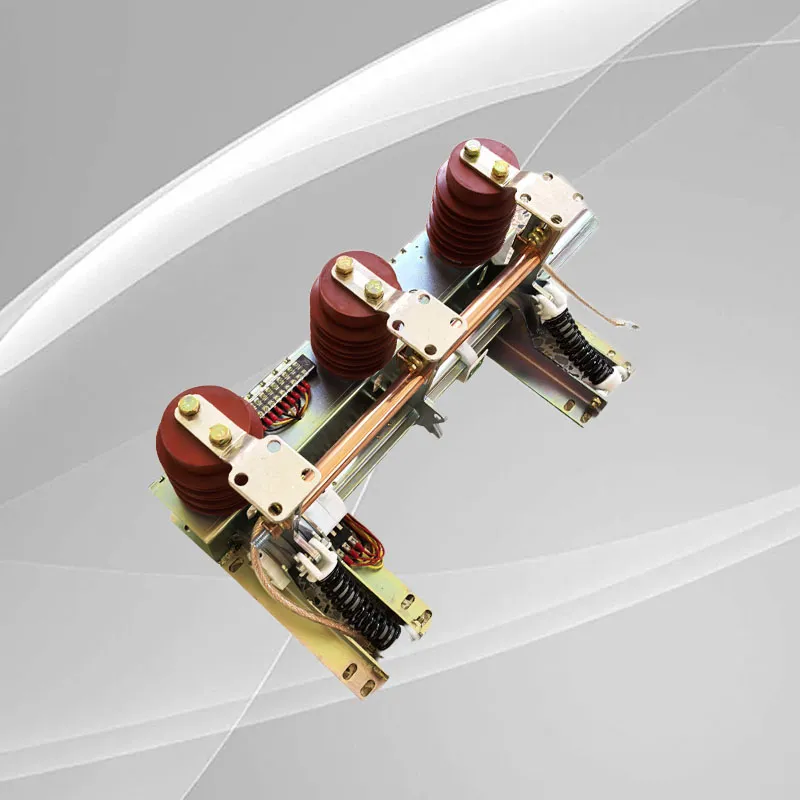


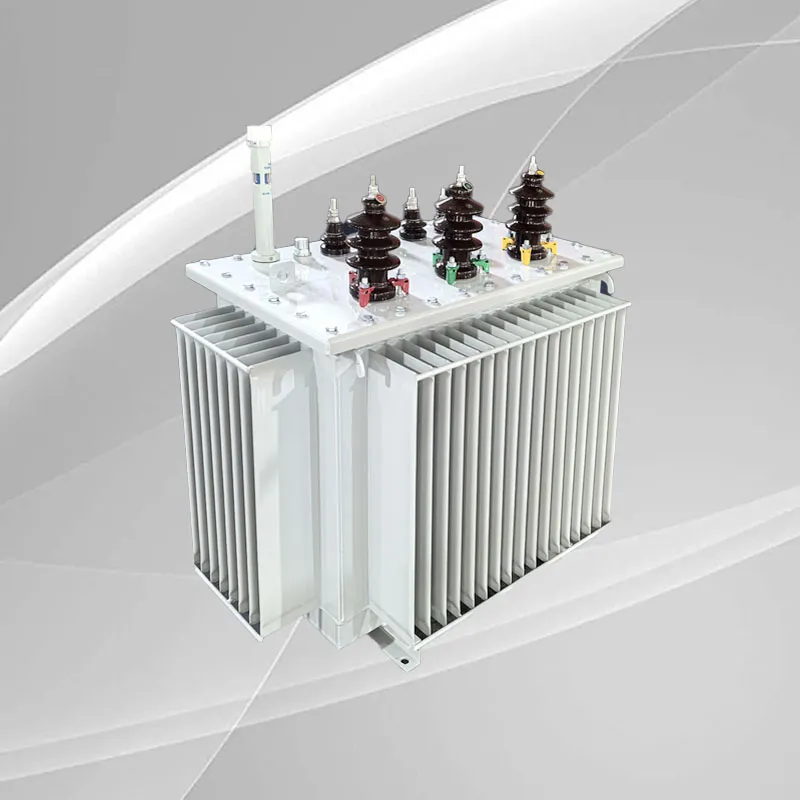
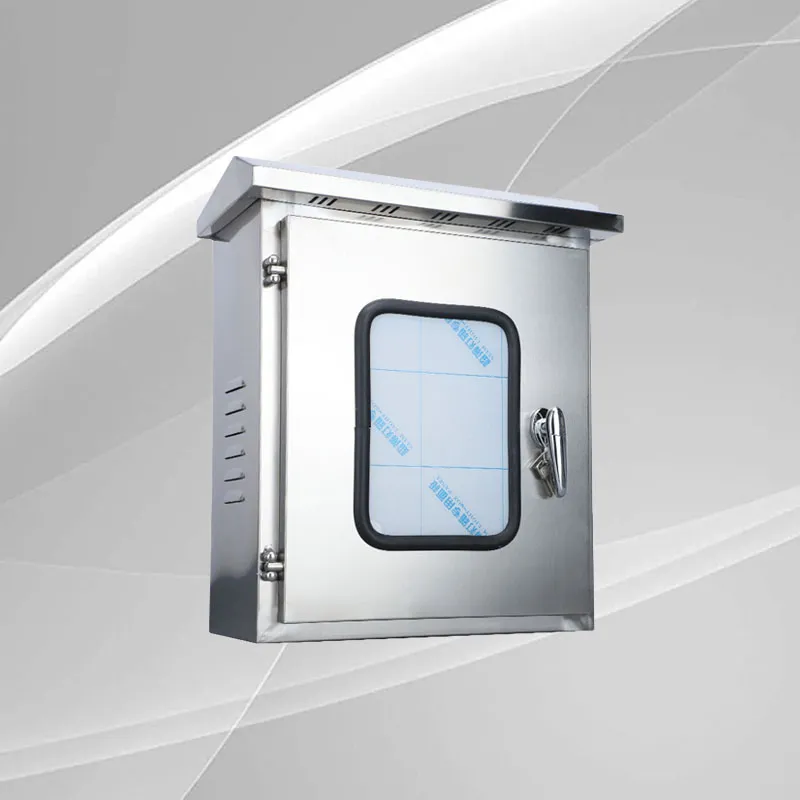

Best Sellingproducts
Best Selling Products-
 Ground Outdoor Waterproof Distribution Cabinet
-
 GW9-10 High Voltage Isolation Switch with Ceramic Insulators for Outdoor Installation
-
 Internal high-voltage disconnector GN19-630A with double input and grounding contact
-
电动智能户外柱上高压真空断路分合闸开关.2.webp) ZW7-40.5 (side mounting) is an intelligent outdoor high-voltage vacuum circuit breaker with electric drive.
-
 High voltage internal switch
-
 Outdoor distribution board
-
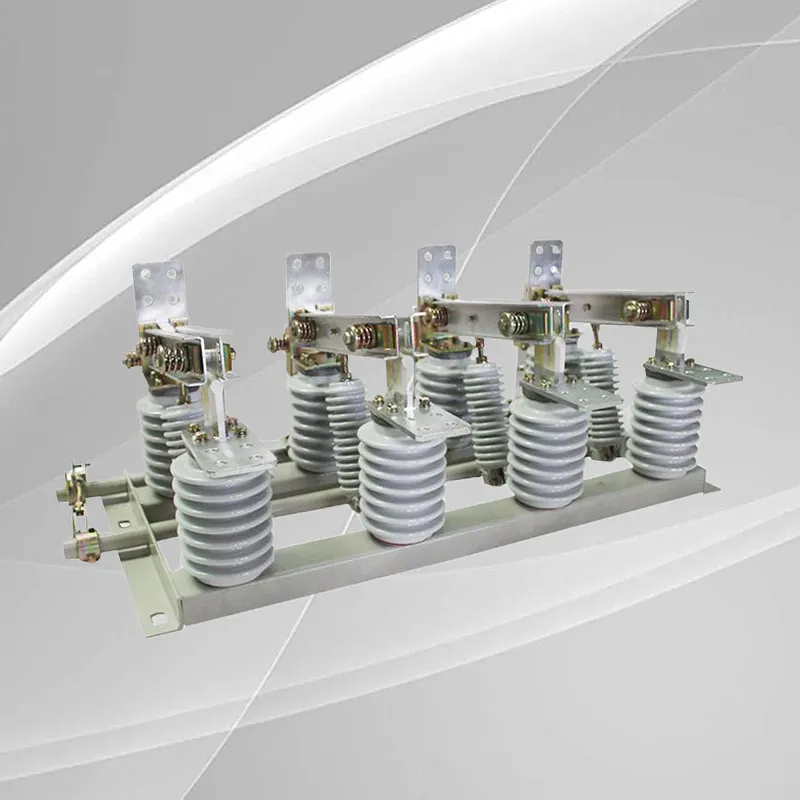 High voltage isolation switch GN24-12 for indoor use
-
 Three-phase control transformer
-
 Molded Case Circuit Breaker (MCCB), 63A
-
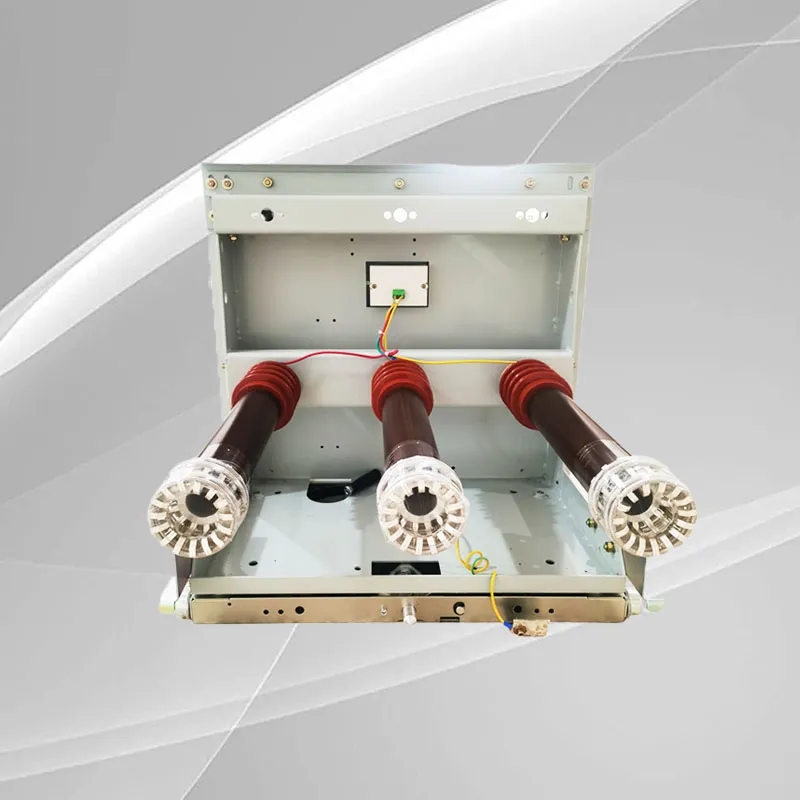 Withdrawable element for electricity metering with voltage check function
-
 Miniature circuit breaker
-
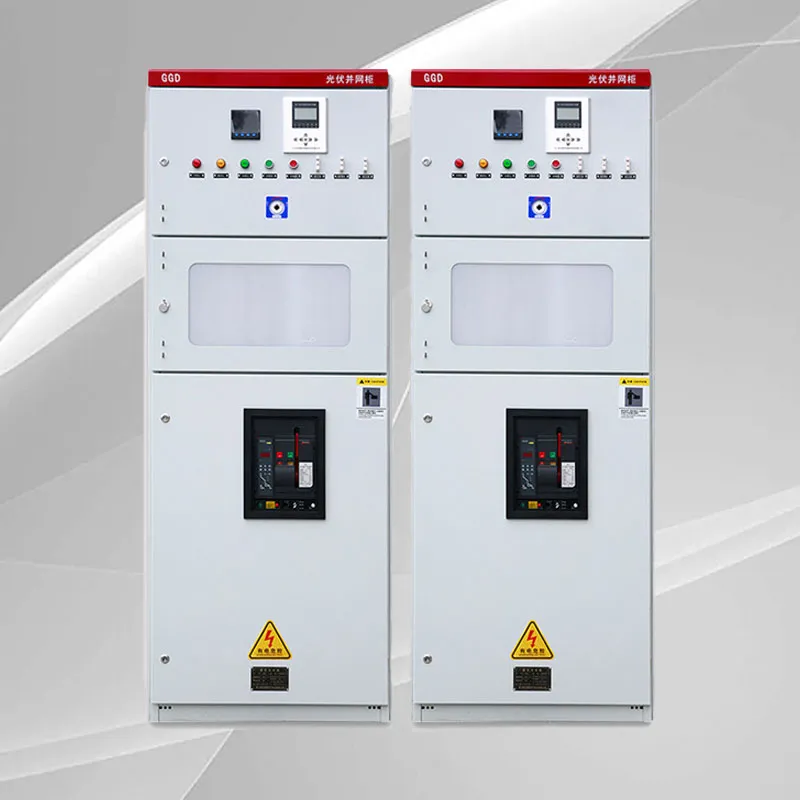 GGD cabinet for network connection of photovoltaic systems



