


dry transformer winding
Dry transformer winding– it’s always a little more than just winding a wire. In my opinion, the importance of care in its implementation is often underestimated, especially when it comes to transformers operating in aggressive environments or with high reliability requirements. It seems that everything is clear: wires, insulation, turns... But the service life of the entire device directly depends on the quality of this very winding. And this is not only a matter of electrical calculations. I've encountered situations where a seemingly minor mistake during the winding step led to major problems down the road. For example, overheating, breakdowns, even fires. Yes, this is unpleasant, but, unfortunately, not uncommon. Therefore, I want to share my experience, which I hope will be useful.
Why at all?dry transformers?
Before delving into the details of the windings, it is worth remembering why they are neededdry transformers. They, of course, have a number of advantages over oil-based ones: environmental friendliness, no risk of oil spills, more compact dimensions, lower thermal load. But, like any technology, they have their own characteristics. And one of the most important is more stringent requirements for insulation and, accordingly, for the quality of the winding. Otherwise, even small defects can lead to serious consequences. And here the fun begins: what nuances need to be taken into account when windingdry winding?
Material selection and preparation
The choice of material for winding is, of course, the base. Typically, copper wire is used with enamel insulation, which is resistant to high temperatures and chemicals. But here it is important not only to choose the right material, but also to prepare it correctly. For example, when working with certain types of insulation, pre-treatment of the wire is required to improve adhesion. This can be impregnation with a special solution or heating to a certain temperature. Ignoring these simple steps can result in insulation peeling and resulting short circuits.
Particular care must be taken in preparing the ends of the wires. They must be carefully rounded and securely fixed to avoid damage to the insulation during installation. Sometimes it happens that even minor damage to the end of the wire can cause a serious problem in the future. In our practice, there were cases when, due to improper preparation of the ends of the wires, it was necessary to redo the entire winding. This, of course, takes a lot of time and effort, but it is better than facing a serious emergency situation.
Winding technology: density and uniformity
The winding technology itself is perhaps the most critical stage. Here it is important to ensure maximum winding density and uniform distribution of turns. This reduces the winding inductance and increases its efficiency. It is also important to ensure that there are no gaps or overlaps between the turns. Otherwise, this may lead to the formation of hot spots and premature failure of the transformer. Sometimes special winding machines are used, which ensure high density and uniformity of winding. But even when using such machines, it is necessary to carefully monitor the process and periodically check the quality of winding.
Our workshops often use a combination of manual winding and automated processes. Manual winding allows for high quality work, especially in the manufacture of small transformers. Automated processes increase productivity and reduce costs. But, of course, manual work requires high qualifications and experience. For example, we often use hand winding in the manufacture of transformers for special applications where accuracy and reliability are important.
Quality control and testing
After winding is completed, careful quality control and testing must be carried out. This includes checking the insulation resistance, visually inspecting the winding for defects, and testing for strength and temperature resistance. The insulation resistance must be high enough to provide reliable short circuit protection. A visual inspection can reveal insulation damage, mechanical defects and other malfunctions. And strength and heat resistance tests make sure that the winding can withstand high loads and temperatures.
We always use modern equipment for quality control and testing. This allows us to identify even the smallest defects and prevent serious problems from occurring in the future. In addition, we carefully document all stages of production in order to be able to monitor product quality and quickly eliminate any faults.
Mistakes to Avoid
As I already mentioned, when working withdry transformersIt's easy to make mistakes that can lead to serious problems. One of the most common mistakes is the wrong choice of insulation material. Sometimes, to reduce costs, insulation is used that does not meet temperature and chemical resistance requirements. This can lead to its destruction and damage to the winding.
Another common mistake is not tightening the coils correctly. The turns should be tightened tightly, but not too tightly, so as not to damage the insulation. Tightening it too loosely can lead to gaps, and tightening it too tightly can cause it to break.
And, of course, we must not forget about the correct preparation of the ends of the wires. They must be carefully rounded and securely fixed to avoid damage to the insulation during installation. This is especially important when working with windings that will be subject to vibration or mechanical stress.
Wenzhou Qiaonasen Electrical Equipment Co.,Ltd: Experience and Solutions
At Wenzhou Qiaonasen Electrical Equipment Co.,Ltd, we have extensive experience in manufacturingdry transformersvarious capacities and types. We use only high-quality materials and modern equipment. Our specialists are highly qualified and experienced. We are always ready to offer our clients customized solutions that meet their requirements. We strive not only to produce quality products, but also to provide a high level of service. Our website is https://www.qnasen.ru, where you can get acquainted with our product.
We regularly train our employees so that they are aware of the latest advances in electrical engineering and can apply them in practice. We also actively collaborate with research institutes to develop new technologies and improve the quality of our products. We believe that only continuous improvement can allow us to remain leaders in our field.
Conclusion
In conclusion, I would like to once again emphasize the importance of thoroughness when performingdry transformer windings. You should not skimp on materials and technologies. All stages of production must be carefully monitored and regular testing carried out. This is the only way to ensure the reliability and durability of the transformer. I hope my experience will be useful to those working in this field.
Correspondingproducts
Related Products




Best Sellingproducts
Best Selling Products-
 Complete low voltage distribution board made of stainless steel
-
 Rotating internal high voltage disconnector
-
 Outdoor High Voltage Smart Vacuum Circuit Breaker
-
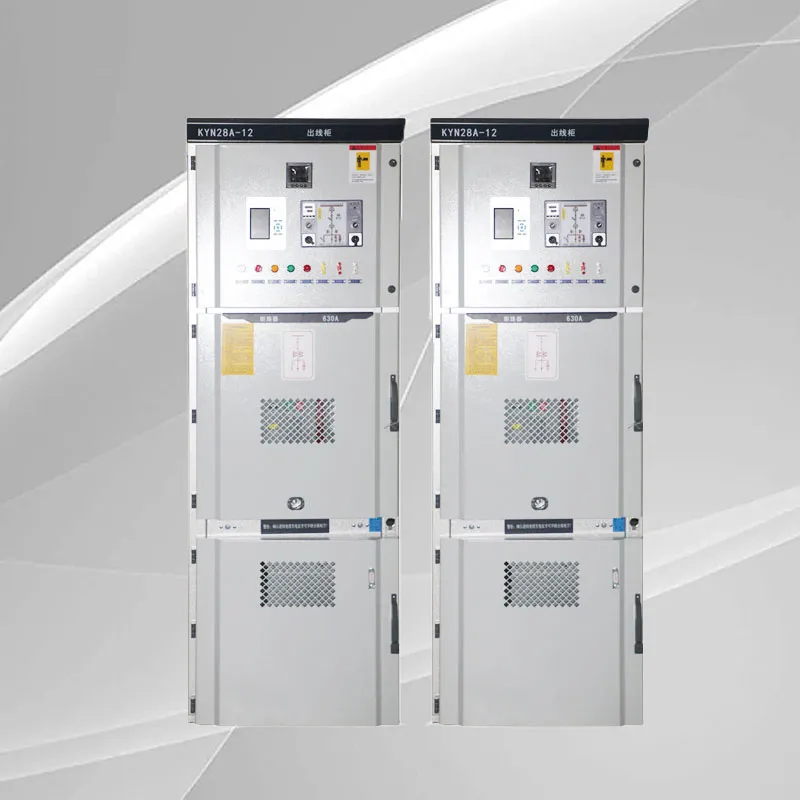 KYN28A-12 indoor metal armored medium power AC switchgear
-
 High voltage vacuum circuit breaker ZW20
-
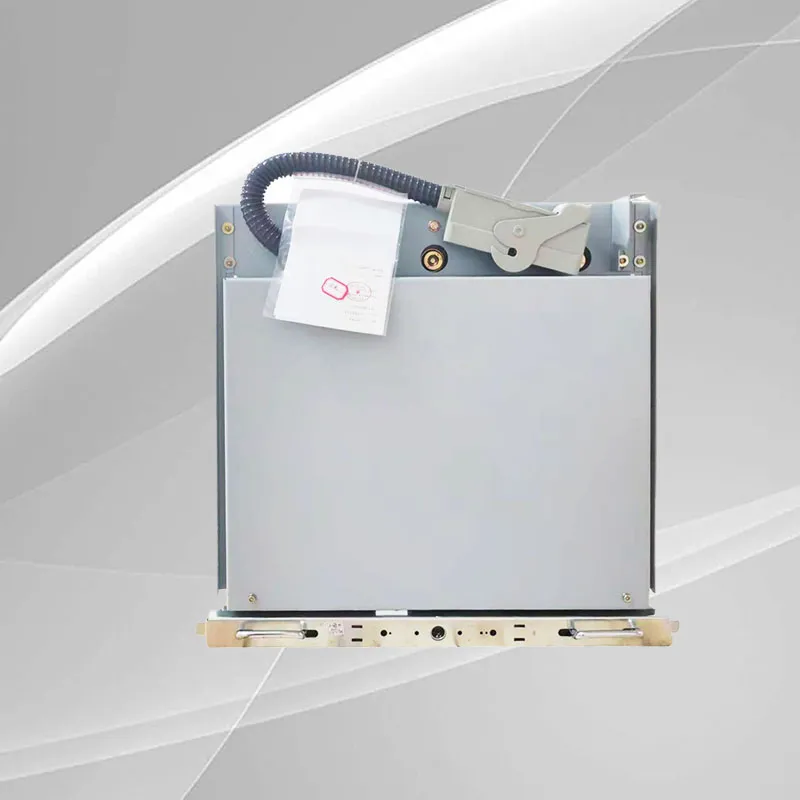 Withdrawable element for electricity metering with duck-type voltage transformers
-
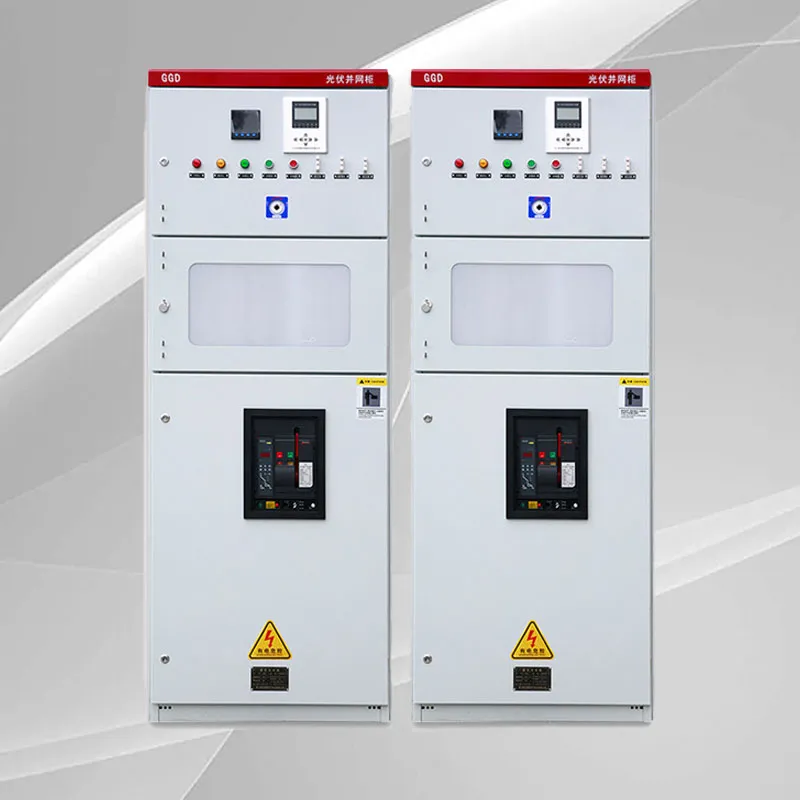 GGD cabinet for network connection of photovoltaic systems
-
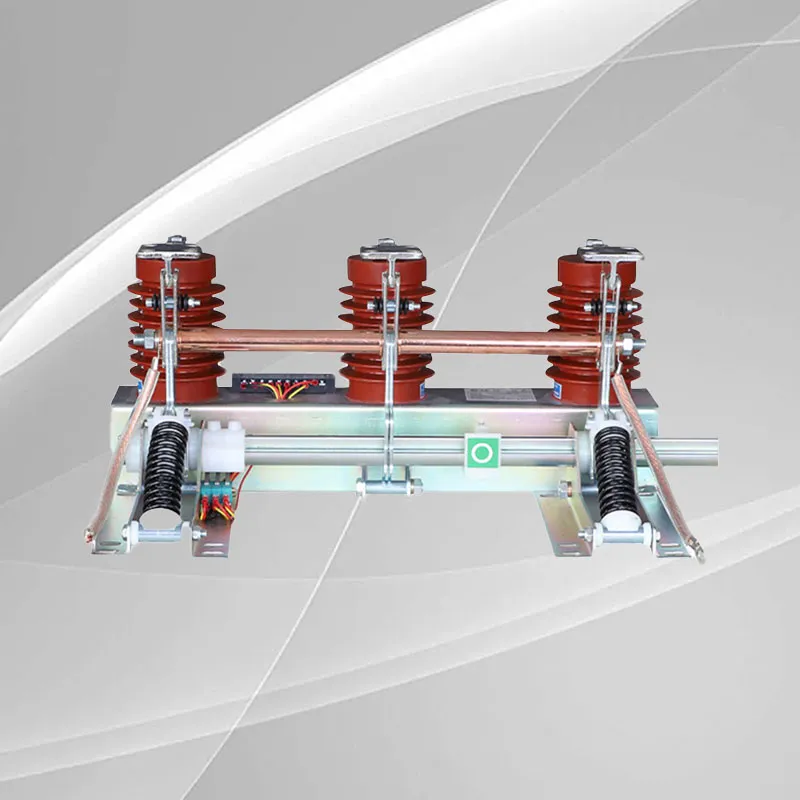 Indoor high voltage earthing switch type JN15
-
 High voltage internal switch
-
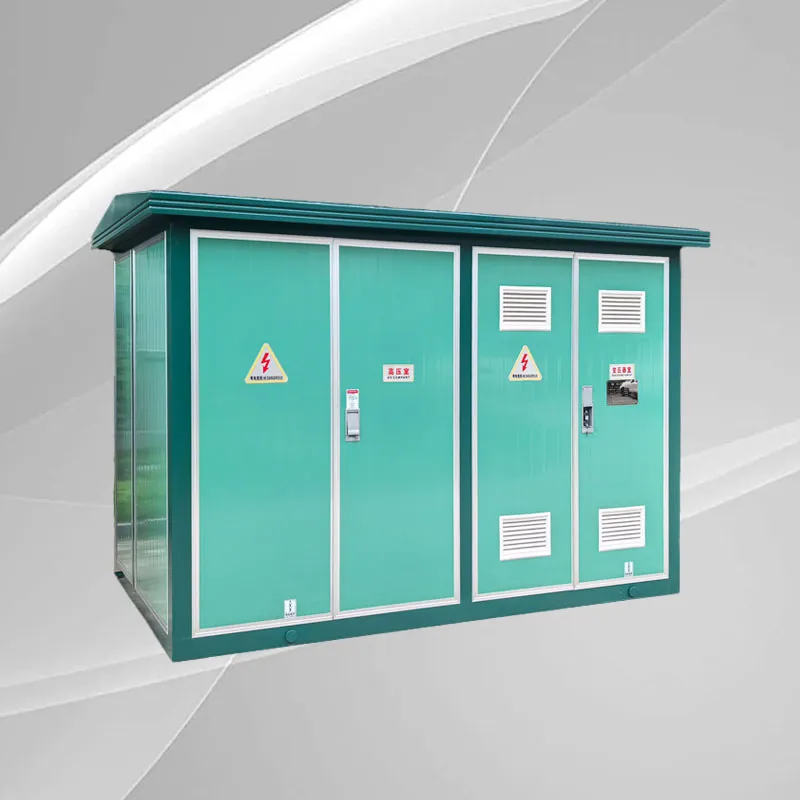 Complete outdoor transformer substation of European type
-
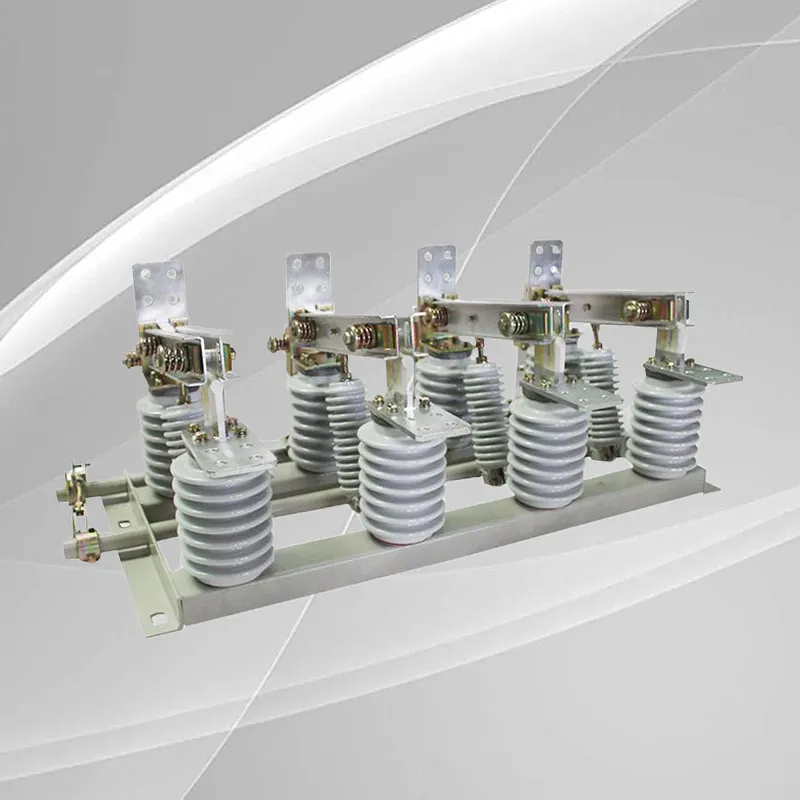 High voltage isolation switch GN24-12 for indoor use
-
 Outdoor Single Phase Waterproof Transparent Plastic Electricity Meter Shield
Relatedsearch
Related Search- power transformer housing
- China dry type converter transformers main buyer
- distribution board
- power transformers 40000 kva
- power transformer 630kva
- circuit breakers merlin gerin
- China power dry transformers
- China bus power transformers main buyer
- circuit breaker har ka s 6a
- neutral modes of power transformers



